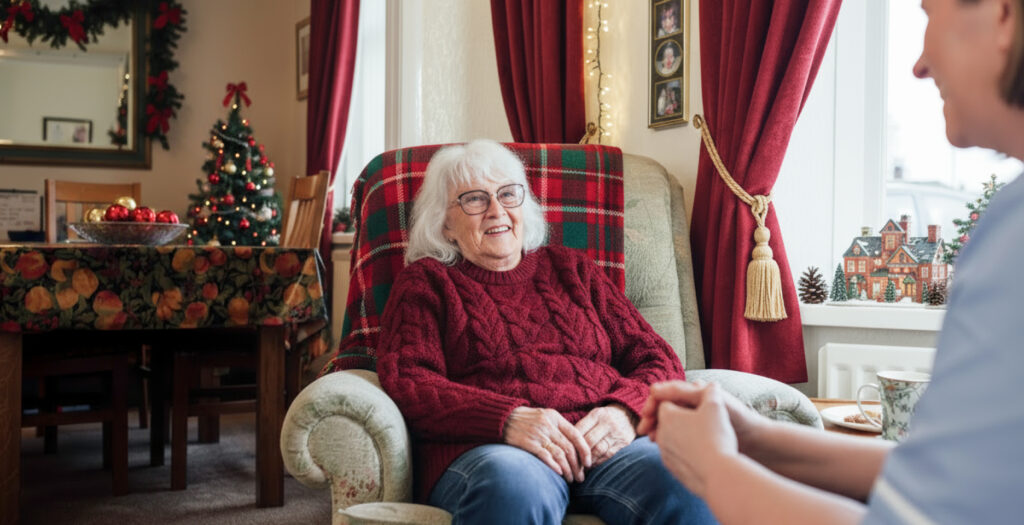
The holidays are portrayed as joyful and festive, but for many seniors, this season can bring a mix of emotional, physical, and logistical challenges. Whether they live alone, have limited mobility, or are coping with the loss of a loved one, seniors may find the holidays more stressful than celebratory. The good news? With a little awareness and thoughtful support, families and caregivers can make the season more comfortable and meaningful.
Here’s a look at some of the most common holiday challenges seniors face – and some practical ways to help.
Loneliness and Isolation
The Challenge:
As social circles shrink due to loss, distance, or mobility issues, many seniors spend holidays alone. Isolation can deepen feelings of sadness, anxiety, and even depression.
How to Help:
- Make time to connect, even if it’s virtually. Platforms like Zoom, Skype, or FaceTime can help bridge the gap when seniors can’t be there in person.
- Involve them in holiday planning – ask for special recipes, traditions, or stories from the past.
- Include them in gatherings, even if it means adjusting your location or timing to make it easier for them to participate.
Grief and Loss
The Challenge:
For seniors who have lost spouses, siblings, or close friends, the holidays can trigger grief. Traditions once shared may now feel like painful reminders.
How to Help:
- Acknowledge the loss. Don’t avoid the topic – ask how they’re feeling and listen without trying to “fix” it.
- Create new traditions that honor lost loved ones, such as lighting a candle or sharing memories.
- Offer companionship during difficult days like anniversaries or specific holiday events.
Physical Limitations and Fatigue
The Challenge:
Age-related health concerns or mobility limitations can make decorating, shopping, and attending gatherings physically taxing.
How to Help:
- Delegate tasks they once did, but invite them to direct or supervise if they enjoy being involved.
- Provide transportation or arrange accessible travel to events and services.
- Watch the schedule. Avoid overloading the calendar – build in rest and recovery time.
Dietary Restrictions and Health Needs
The Challenge:
Holiday meals are often indulgent, but many seniors have dietary restrictions for conditions like diabetes, hypertension, or digestive issues.
How to Help:
- Offer alternatives at the table – low-sodium, sugar-free, or soft food options go a long way.
- Respect their choices. Don’t pressure them to eat something “just this once” if it could impact their health.
- Mind the medications. Daily routines can easily be sidetracked during the busy holidays. Always maintain med schedules and doses.
- Plan ahead if traveling – bring medications, snacks, and health info just in case.
Cognitive Decline and Memory Loss
The Challenge:
For seniors living with dementia or other cognitive challenges, the holiday hustle and bustle can be overwhelming and confusing.
How to Help:
- Keep environments familiar. Decorate with care and avoid major changes to layout or lighting.
- Simplify activities and limit large, noisy gatherings that may cause distress.
- Maintain routine. Stick to regular sleep and meal times to minimize confusion.
Financial Stress
The Challenge:
Seniors on fixed incomes may feel pressure to give gifts or host celebrations they can’t afford.
How to Help:
- Set expectations early. Encourage low-cost or handmade gifts and experiences over pricey presents.
- Help with shopping. Offer to drive them or assist with online orders, and suggest budget-friendly ideas.
- Include them in gift-giving in meaningful but affordable ways, such as helping bake treats or write cards.
Weather and Safety Concerns
The Challenge:
Winter weather can make it difficult – and dangerous – for seniors to get out, especially if they use a cane, walker, or wheelchair.
How to Help:
- Check in regularly during bad weather. Offer to shovel, bring groceries, or just provide companionship.
- Make their home safer with non-slip mats, handrails, and plenty of lighting.
- Help install tech like emergency alert systems or video doorbells to increase peace of mind.
Feeling “Out of Place” or Left Out
The Challenge:
It’s easy for seniors to feel like they’re in the way or irrelevant, especially in fast-paced gatherings filled with younger generations.
How to Help:
- Plan inclusive activities. Engage in holiday-themed crafts or baking projects that are simple yet enjoyable – like decorating cookies, making ornaments, or creating holiday cards. These activities allow for conversation and connection.
- Encourage storytelling. Bring out old photo albums, holiday cards, or other mementos to prompt memories, stories, and family traditions.
- Give them a role. Whether it’s setting the table or reading a holiday story to grandkids, find meaningful ways to involve them.
- Create quiet space. If the main celebration is big and loud, make sure there’s a calmer area where they can retreat for a break, or chat one-on-one.
Remember:
The holidays don’t have to be difficult for older adults, but they often are without thoughtful inclusion and planning. With empathy, flexibility, and a few extra steps, you can help make the season safer, less stressful, and more joyful for the seniors in your life.
Sources:
- AARP
- Care.com
- AgingCare.com
- Senior Lifestyle