Resources
Health Care Library
A collection of informational articles and resources for clients and their families.
FILTER
Tips & Guides
How to Support Aging In Place: A Comprehensive Guide
We all want the best for our loved ones as they age. Allowing them to live safely in their homes and communities can be a familiar comfort and, for many older adults, a sought-after lifestyle. The term for living independently with the support needed to do so safely is commonly known as aging in place....
Caregivers, Tips & Guides
Managing a Loved One’s Care Schedule Around the Holidays
Caring for a loved one during the holidays can be challenging but, with a little planning and thoughtful communication, you can help them enjoy the season while ensuring their needs are met. Here are some tips to help you make it through the holiday season with more joy…and less stress. Plan Ahead for Holiday Events...
Caregivers
Respite Care: What Caregivers Need to Know
Respite care is a short-term professional service that allows you to take a break from your usual routine of daily care as a primary caregiver. The break may last for a few hours, several days, or even weeks. As caregiving can be physically and emotionally exhausting, respite care offers caregivers a much-needed “respite” while ensuring...
Tips & Guides
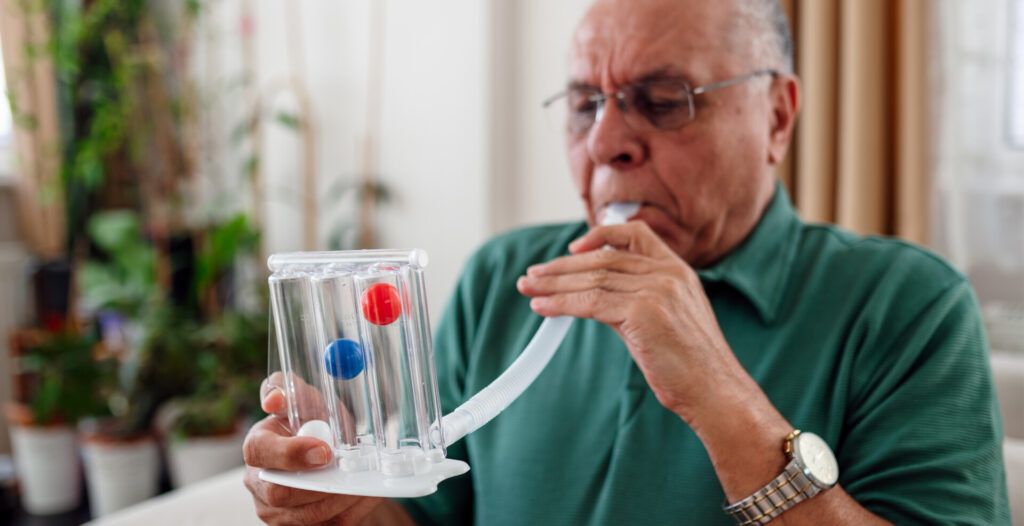
Caring for Someone with Chronic Bronchitis or Emphysema
Taking care of someone with these two forms of chronic obstructive pulmonary disease (COPD) can be a challenging responsibility. Both long-term, progressive lung conditions can significantly affect a person’s quality of life, making everyday tasks like breathing difficult. But with appropriate care, symptom management, and lifestyle adjustments, it’s possible to improve their comfort and well-being...

Tips & Guides
Caring for Someone After a Stroke: A Helpful, Real-World Guide
Every 45 seconds, someone in the United States has a stroke – about 795,000 people per year, making stroke the fifth-leading cause of death in this country and a leading cause of long-term disability. A stroke is a life-altering event that can have profound impacts on both the survivor and the caregivers. For caregivers, understanding...
Tips & Guides
Caring for an Older Loved One with Diabetes
According to the Centers for Disease Control, 38.4 million people —11.6% of the U.S. population—live with some form of diabetes. Currently, diabetes affects over 463 million people worldwide, and type 2 diabetes (T2D) accounts for 90-95% of all cases in the world. This article is meant to help readers understand how diabetes works with a...
Tips & Guides
Helping an Older Loved One Living with Asthma
Asthma is a chronic lung disease that makes it harder to move air in and out of the lungs. Although it can start at any age, managing asthma often becomes more challenging as people grow older. This article will help you understand asthma and provide practical tips for supporting older loved ones in living with...
Tips & Guides
Under Pressure: Caring for an Older Loved One with Hypertension
Hypertension, also known as high blood pressure, occurs when the pressure in the blood vessels (the force of blood pushing against the artery walls) is consistently too high. High blood pressure is known as a silent health risk because there may be no known symptoms, but it can still lead to serious complications like heart...
Tips & Guides
Taking it to Heart: Caring for Someone with Congestive Heart Failure
When you love someone, it can be hard to hear they may have (or are at risk for) Congestive Heart Failure. But before you panic, it's best to be informed. Knowledge can help your loved one understand this condition if they have it—and knowledge can encourage those at risk to adjust their lifestyle to prevent...
Health Care Services
How Occupational Therapy Serves Older Adults: Common Questions Answered
Occupational Therapy? Physical Therapy? What’s the difference? These questions often puzzle caregivers and their families. Understanding the distinction is crucial: Physical Therapy (PT) primarily addresses physical impairments and movement dysfunctions, while Occupational Therapy (OT) focuses on enhancing patients' ability to perform essential daily activities with comfort and independence. If your older loved one is looking...